
One Hundred Compositions
On the Value of Originality and Seeing Differently

I recently listened to an episode of the Lenswork podcast by Brooks Jensen and was flummoxed by an argument he made. Now, Jensen isn’t shy about expounding on how he practices photography. He is very prolific with his opinions. I don’t always agree with them, but sometimes when I disagree, as I did with this episode, he challenges me to think about where I stand on things.
This episode was titled “One Hundred Compositions”, and the argument he made was that in order to make truly personal expressions, truly original work, you need to first exhaust all of the ‘obvious’ or ‘easy’ compositions first. It won’t be until you’ve made many different compositions, working the scene vigorously and being creative as possible over a period of time, that you will begin to make original work.
My initial reaction was to this idea was annoyance and disbelief. This simply isn’t true, at least in the way I practice photography. I know that I have been inspired immediately upon recognizing a powerful moment or scene. Some of my favorite images have come with little or no effort, within the first few frames that I’ve captured after pulling out my camera. They also look and feel plenty original to me.
Take this example. I was walking back to my car after photographing the night sky at Popham Beach when I noticed the moon rising out of the water. I raced to grab my long lens, ran back down the beach, and made the image below with very little thought or effort. Its simple a very simple, striking composition and it remains one of my favorite images.
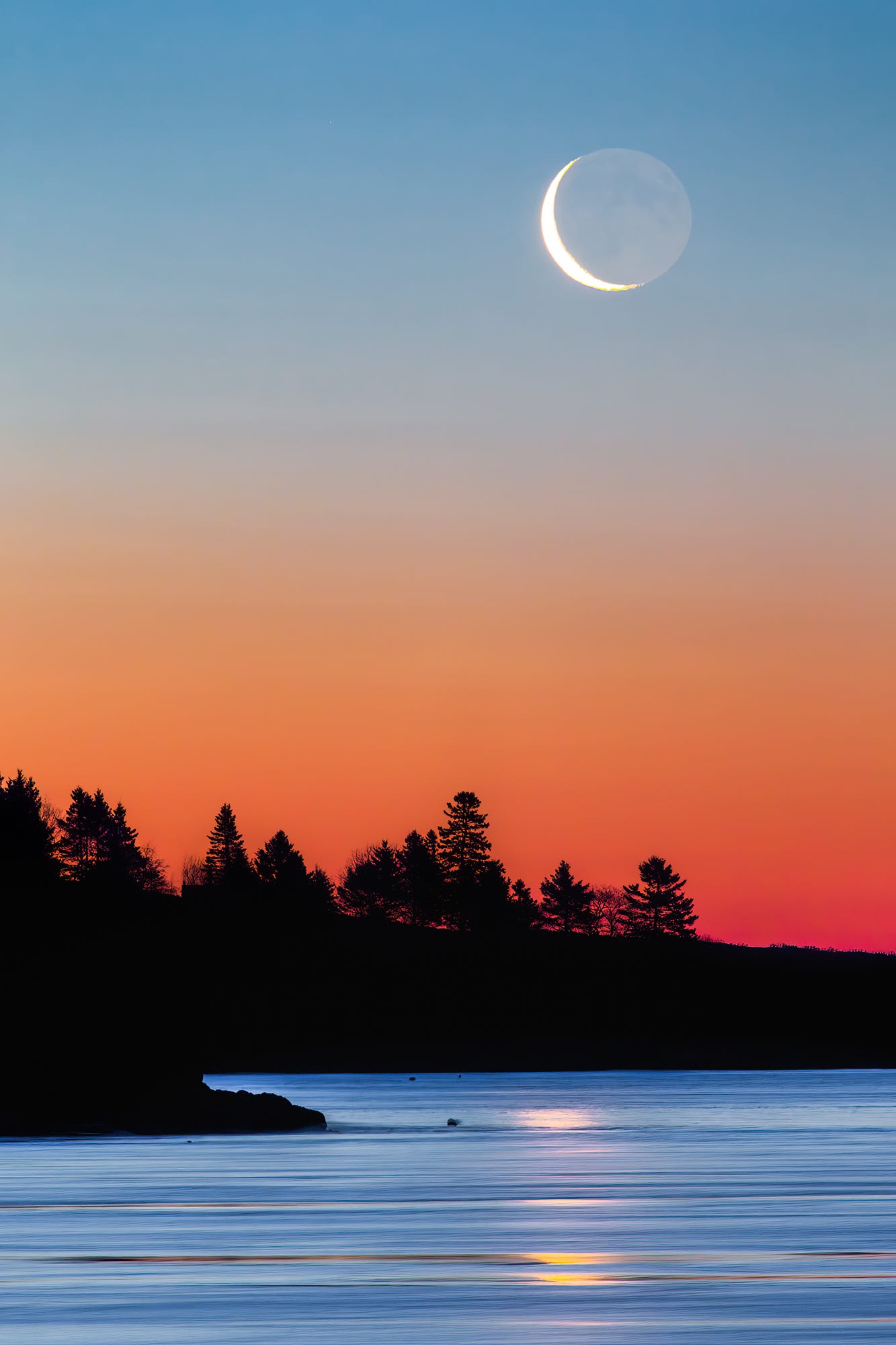
It’s true that practice with the camera helped me quickly respond to inspiration and make a resulting image that communicated what I intended to, but I certainly wasn’t ‘working the scene’, or even avoiding what came easily. I was responding to what initially inspired me to want to make a photograph, and I made it.
Now, I think what Jensen is arguing for is a creative exercise, not a literal argument that you have to make 100 different compositions every time you go out with a camera. Where it rubs me is the idea that being unique is of the utmost importance in creating artwork. It’s possible that wasn’t his argument, but I’d like to push back vigorously nonetheless.
What I want to argue for is art that is deeply felt vs. art that is proud of its being different. This is where I argue we should be putting our energies. Let the uniqueness arise naturally out of being truly in the moment, deeply moved and connected with what is in front of us.
Perhaps Brooks can only lose himself in the moment when he’s working hard on a scene and exhausting as many creative possibilities as possible. Perhaps only then can he enter that flow state I’m describing above.
To me, however, this approach just feels forced, grasping. For me, I feel like the resulting images, while perhaps being unique or original, would be vastly inferior because they would probably be so far removed from my initial reaction of what attracted me to the scene in the first place. To me, the initial reaction and impression is absolutely vital.
I think for folks who have spent their lives immersed in a subject, like Brooks, simply being different has become extremely important. When you’ve seen it all, you place higher value on novelty. That’s perfectly natural.
Diving further into this idea, I think there is a leading edge of familiarity and novelty, a sweet spot where everyone responds positively to things that are different, but not too different. That’s why we love hearing a new song from our favorite artist, but tire of it after it’s been played a thousand times. Some people love finding new music, while others are content to listen to their favorites from high school over and over. I have a little bit of both in me.
Thinking of this idea in terms of music also leads me to what I think of as a hipster mentality, a form of arrogance that seems to say, “I’m cooler than you because I like more obscure stuff.” Sometimes I get that feeling listening to Jensen. I feel like he really thinks he’s better than me when he derides was he calls ‘calendar’ or ‘postcard’ photography. “That’s my bread and butter!”, I say.
(But really, some of my favorite images have little popular appeal, and also really, he’s speaking for himself, not telling me what to do. My reaction has more to do with my own insecurities than it does him.)
He also says he once spent many days photographing a dead cat and was extremely pleased with the resulting prints, and recalls showing them to a friend who remarked, “Yeah, technically these are good prints, but it’s a fucking dead cat”. Admittedly, he gets a chuckle out of this recollection and can poke fun at himself for it! And this just goes to show that his tastes are different than mine, and many others.
I think the quest for originality is an ego thing, a pride in the fact that only you have recognized or noticed something. I also recognize that ego is a large part of what makes art, art. We value this. We love seeing the world through the eyes of great artists, who seem to have powerful insights, who make meaningful expressions from their own original, and unique, points of view. These are the types of works that I love viewing, too. Works like Edward Hopper’s Nighthawks.
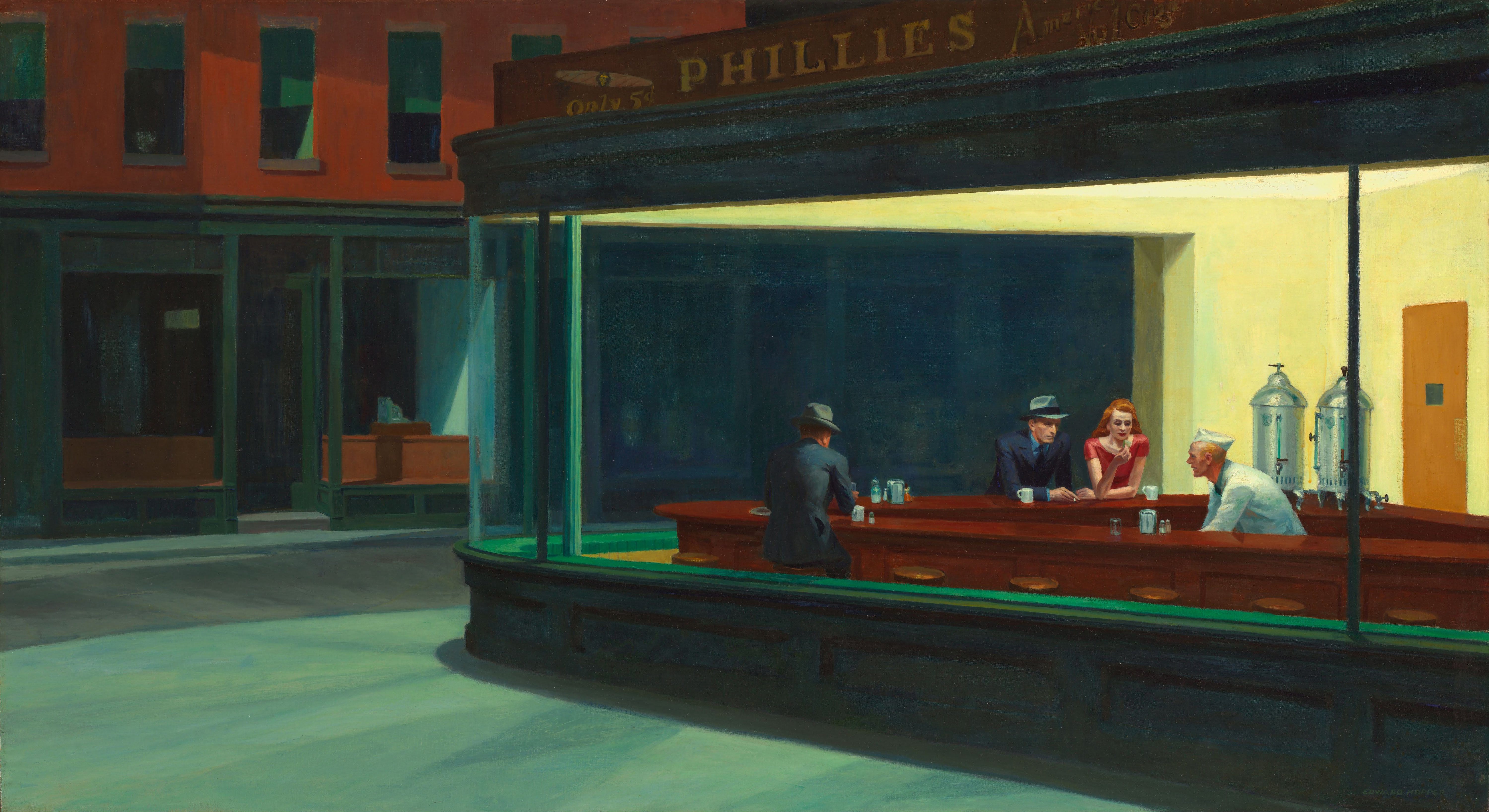
Only Edward Hopper could have come up with this, I think. He’s exploring his feelings of isolation and loneliness in the urban environment. He has an incredible skill with showing light and geometry. He has a deep appreciate for these types of scenes and spaces after many years of studying and painting them.
Ansel Adams’s The Tetons and the Snake River looks at another side of this argument, more in line with my way of thinking. The differences in painterly vs. photographic concepts of originality come to the forefront here, too. Could only Ansel have made the photograph below? Yes, I would argue that is true. But anyone with half a heart would be stopped in their tracks at this view and would try to capture it some way, today, of course, with their cell phones.
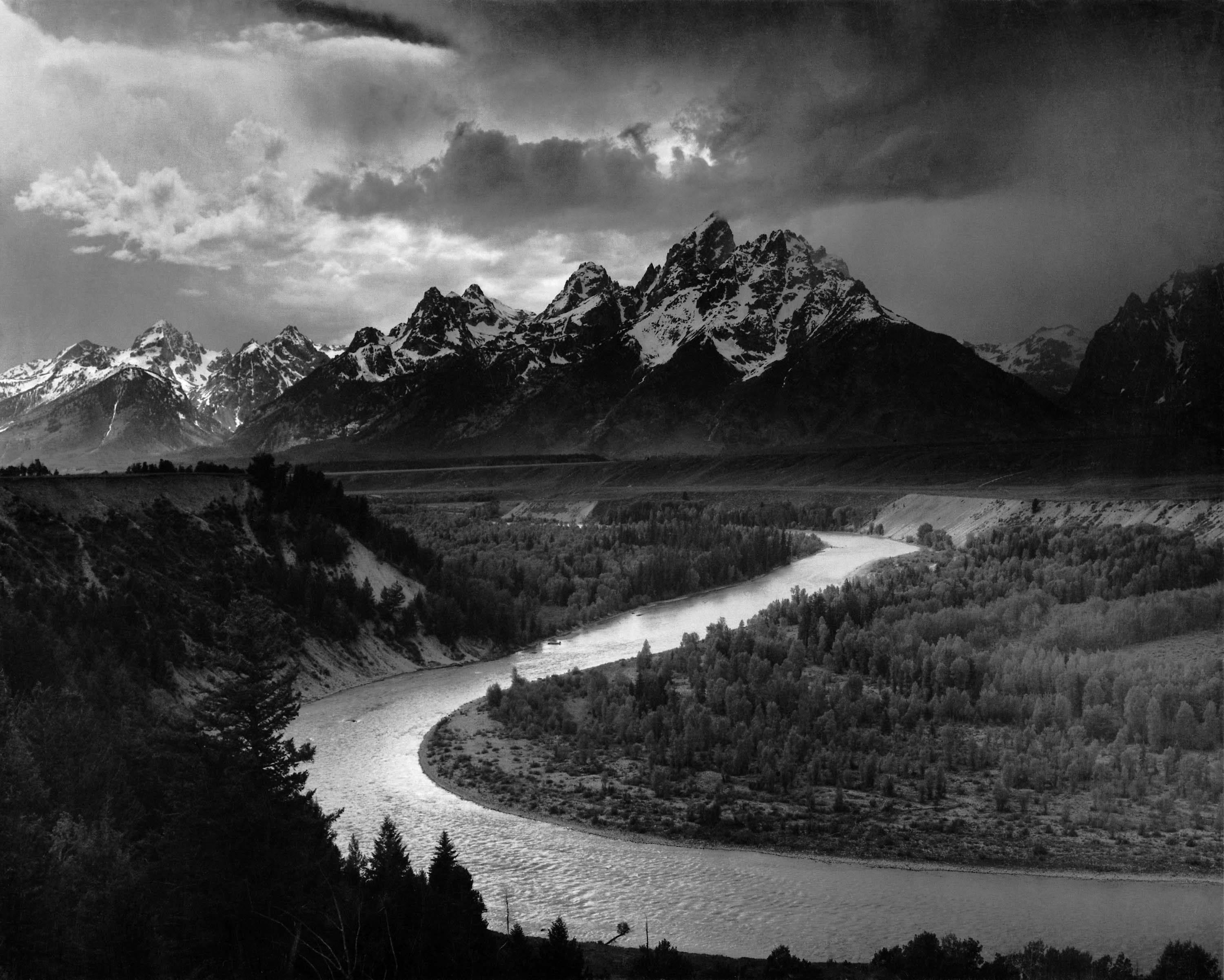
But, let’s give credit where credit is due. Adams’s skills and talents were groundbreaking at the time. His mastery of black and white, a form of abstraction, is undeniable, and no one at the time could make prints, an extremely difficult endeavor that Ansel mastered and turned into an art form, as powerful as this. But, is this a scene that almost any of us would be deeply struck by? Absolutely. Even without color, the feeling that we could be standing here is immediate and the scenery is attractive in a very classical landscape sense. It’s effective for all of these reasons.
I have presentation on photography in which I argue that truly great photographs “Challenge us to see the world differently” and “Shed new light on familiar subjects”. I still think that is true. And I think that really great art not only tells us about the artist making it, but also ourselves. Someone else can tell you that a work of art is great, that it’s important, but if we don’t feel connected to it, why should we even care?
This is where I get hung up. I am drawn to the places and spaces, the themes and ideas, that live in our collective consciousness. I am drawn to culture, to landmarks, to locations in nature, and also moments that others recognize and that most of us agree are interesting. I’m not drawn to all of them, but a lot of them. That’s part of the whole attraction of them to me. I love being part of a story that isn’t just my own, but part of the bigger story, the human story. I love the human connection that results from sharing the resulting images, too. I’m not extremely interested in dead cats.
Work that isn’t great is obvious. Work that feels boring, dumb, and cheap. Think marketing. Think careless snapshots. Think most AI “art”.
It’s clear that intention matters. Feeling matters. Time spent matters. Work that is inspired comes from a deeply felt response and connection, a resonance that is both deeply personal and universal at the same time.
The best artists actually often describe inspiration as sometimes coming from an unknown source, and feeling surprised by it themselves. Paul McCartney says the melody for Yesterday came to him in a dream.
Bob Dylan used to say he didn’t know where his songs came from. Now he says they came from emulating the greats that came before, from learning the songs he loved by heart, and from the thousands of hours of practice and obsession with songwriting. That rings true to me. It comes from being sensitively tuned, to being practiced in noticing, and more than anything, being practiced in creating, of taking your influences and combining them in your own unique way. This usually always lead to good art, and sometimes, if we’re lucky, it leads to great art.
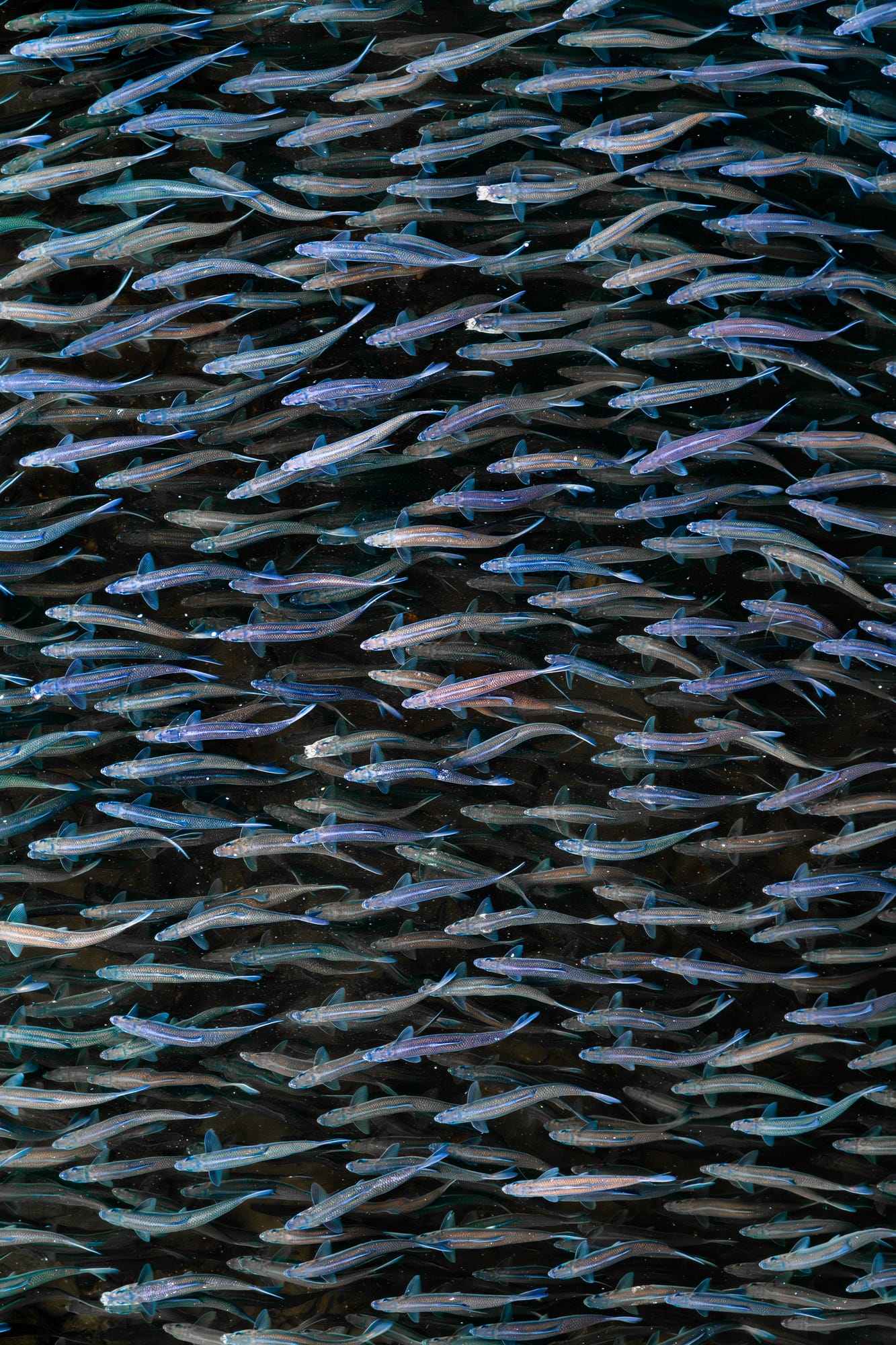
And here’s where I’m going to start coming in line with what Jensen is arguing: Even great artists and photographers can get sidetracked when they take the easy way out and stick with what they already know are successful formulas for making strong images. Images that can be good, but not great.
I think weather is both my photographic superpower, and my crutch or Achille’s Heel. It’s when I feel most engaged behind the camera, but I also rely on it. I know that when I’m photographing in mundane weather, be it clear blue skies or flat grey overcast, I often feel uninspired to make photographs. But, when I look at the times when I’ve made photographs that aren’t reliant on dramatic weather, and come up with something special, I feel a great sense of satisfaction.
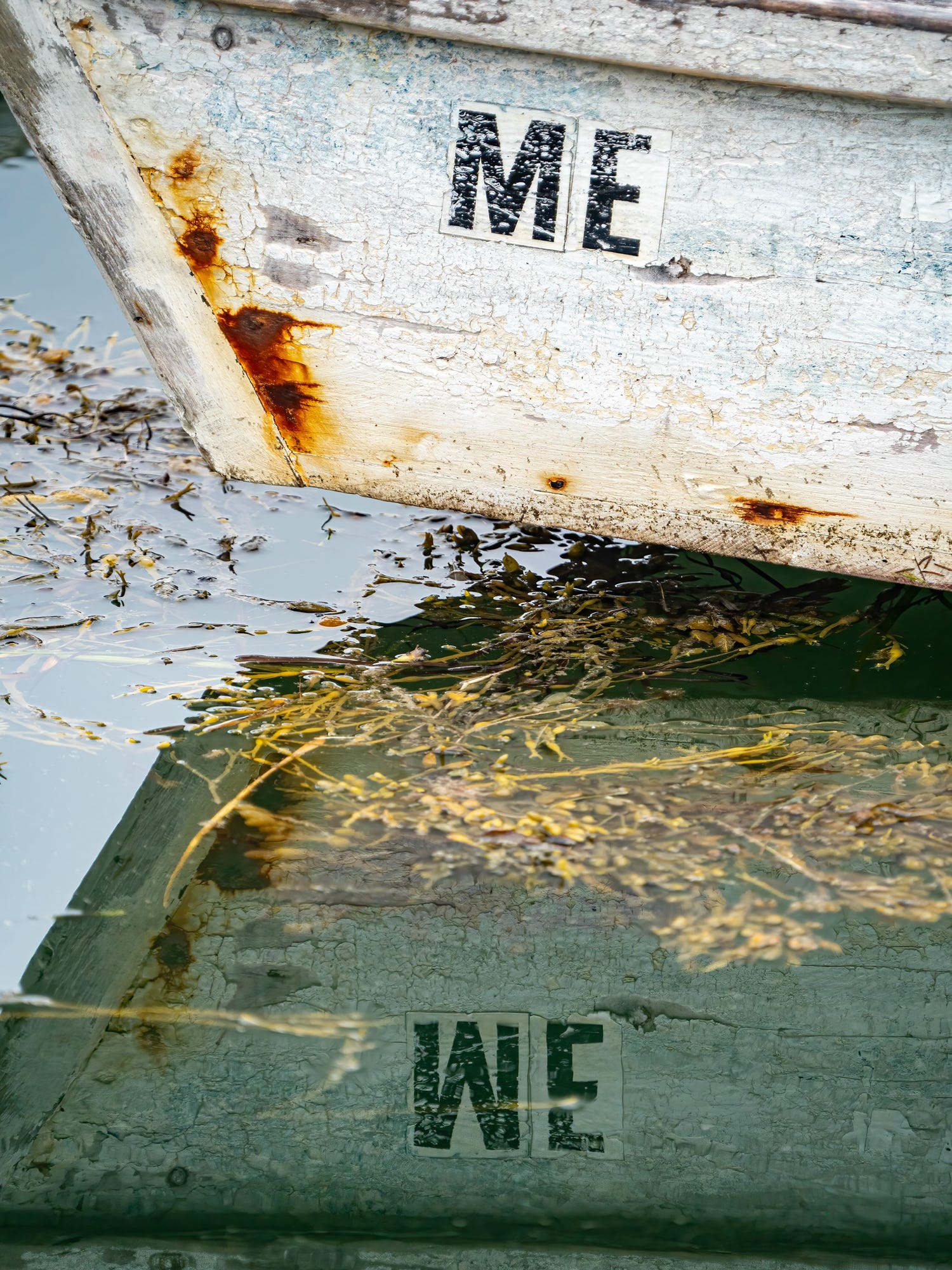
One image that I know is great is the image below. I captured it on a cloudy day while leading a photo workshop group in Tenants Harbor, Maine. There’s nothing really iconic about Tenants Harbor, and the weather certainly wasn’t doing the scene any favors, so I was forced to look for other options. The reflection of the boat registration ME (which stands for Maine and should have been followed by numbers) on a weathered dinghy caught my eye. I didn’t notice that the reflection spelled WE until I brought it home on the computer, and then my mind was filled with metaphor and storytelling ideas, like how, upon some reflection, there’s more to life that just ME.
The image below was captured just the other morning. I was with a friend photographing around South Portland and wanted to take her to Bug Light, even though it was long past sunrise. A previous visit during mundane weather had helped me to notice that the details of the Greek Revival styling on this lighthouse were beautiful and fascinating. So I returned with that in mind and made the image below, one of about 30 different compositions or attempts to showcase it.
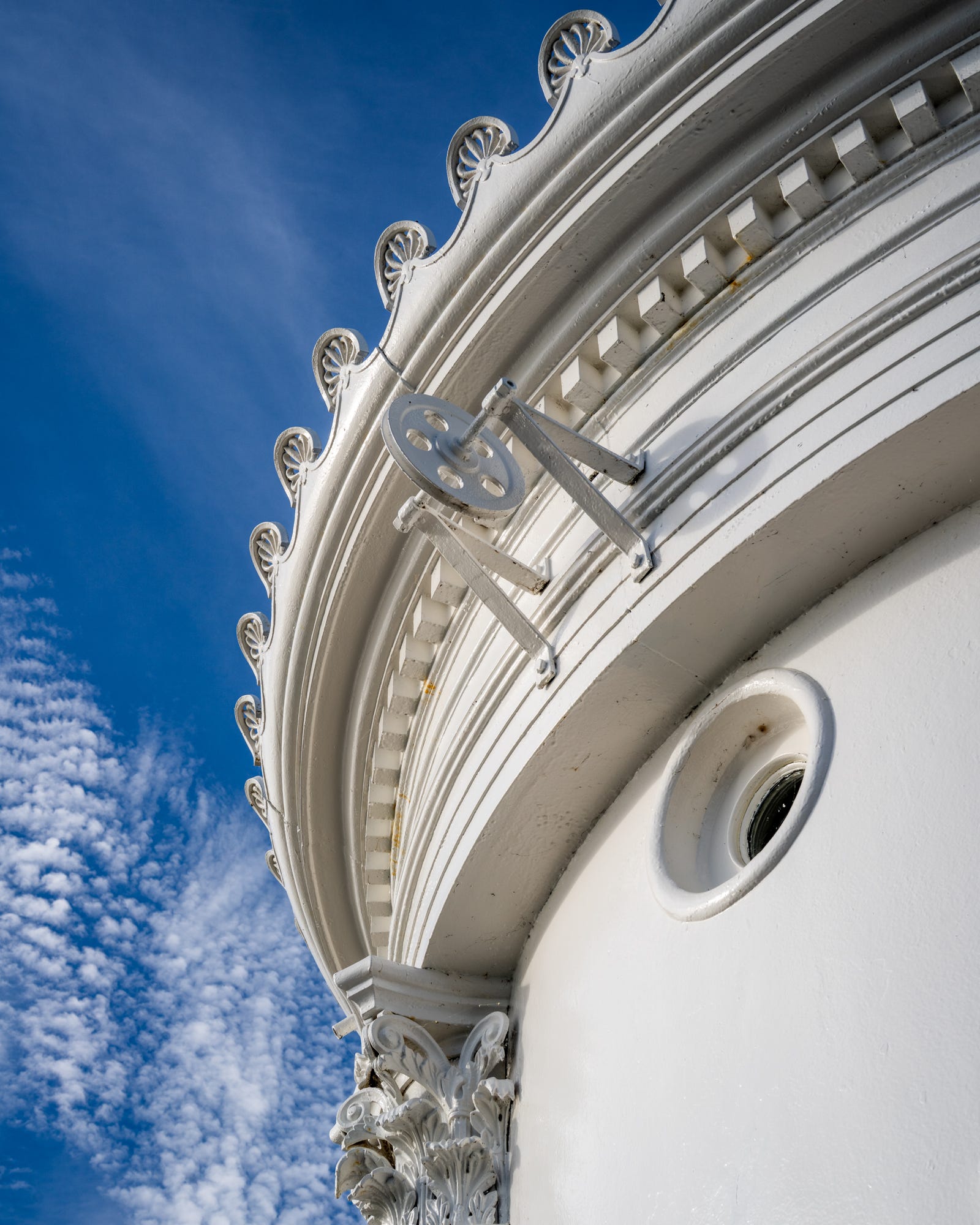
Is it a great image, like the previous one? Well, no, but I still enjoy it. I also feel like I am getting closer to what Jensen was arguing for here, an exercise. I had exhausted all of the ‘easy’ options, and my crutch of relying on dramatic weather was gone. Getting out of my comfort zone leads to growth. Hopefully, I’ll take these lessons that I’ve learned and apply them the next time I feel inspired. I’ll learn how to look a little deeper and appreciate scenes and subjects that are a little more unique or *gasp* different.
I felt like I was doing more of this over the past week while leading workshops, just trying out new ideas and trying to make new compositions in familiar places.
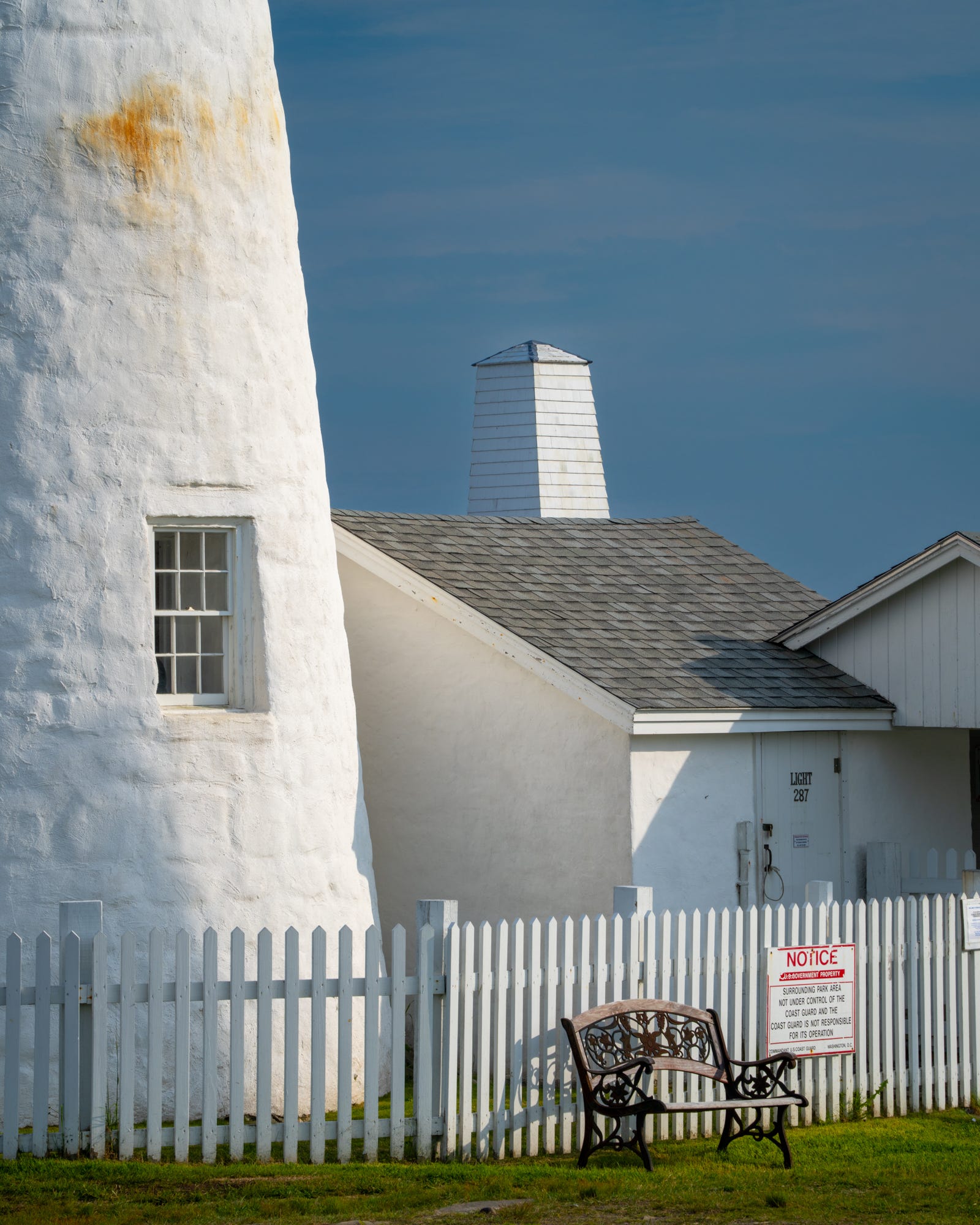
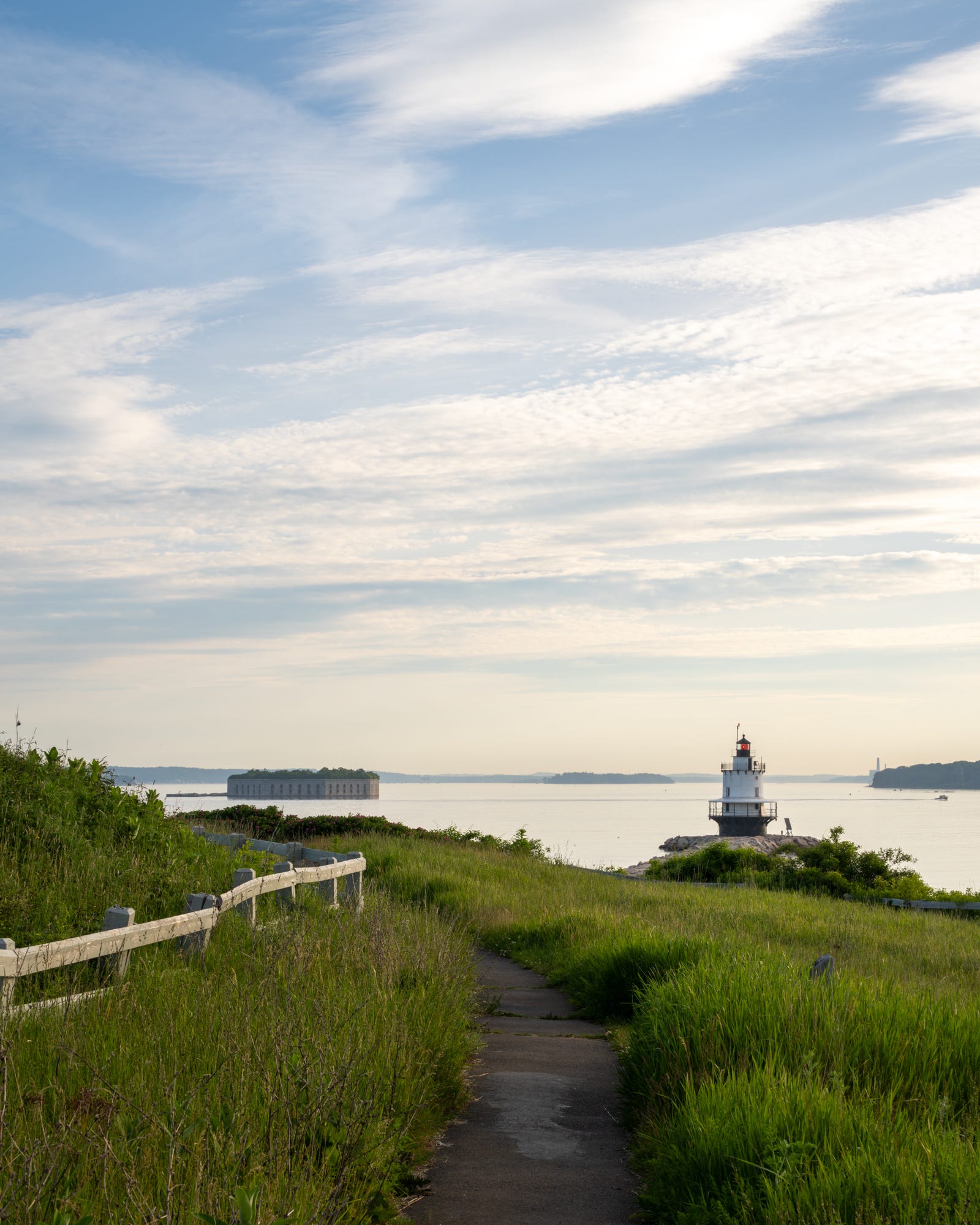
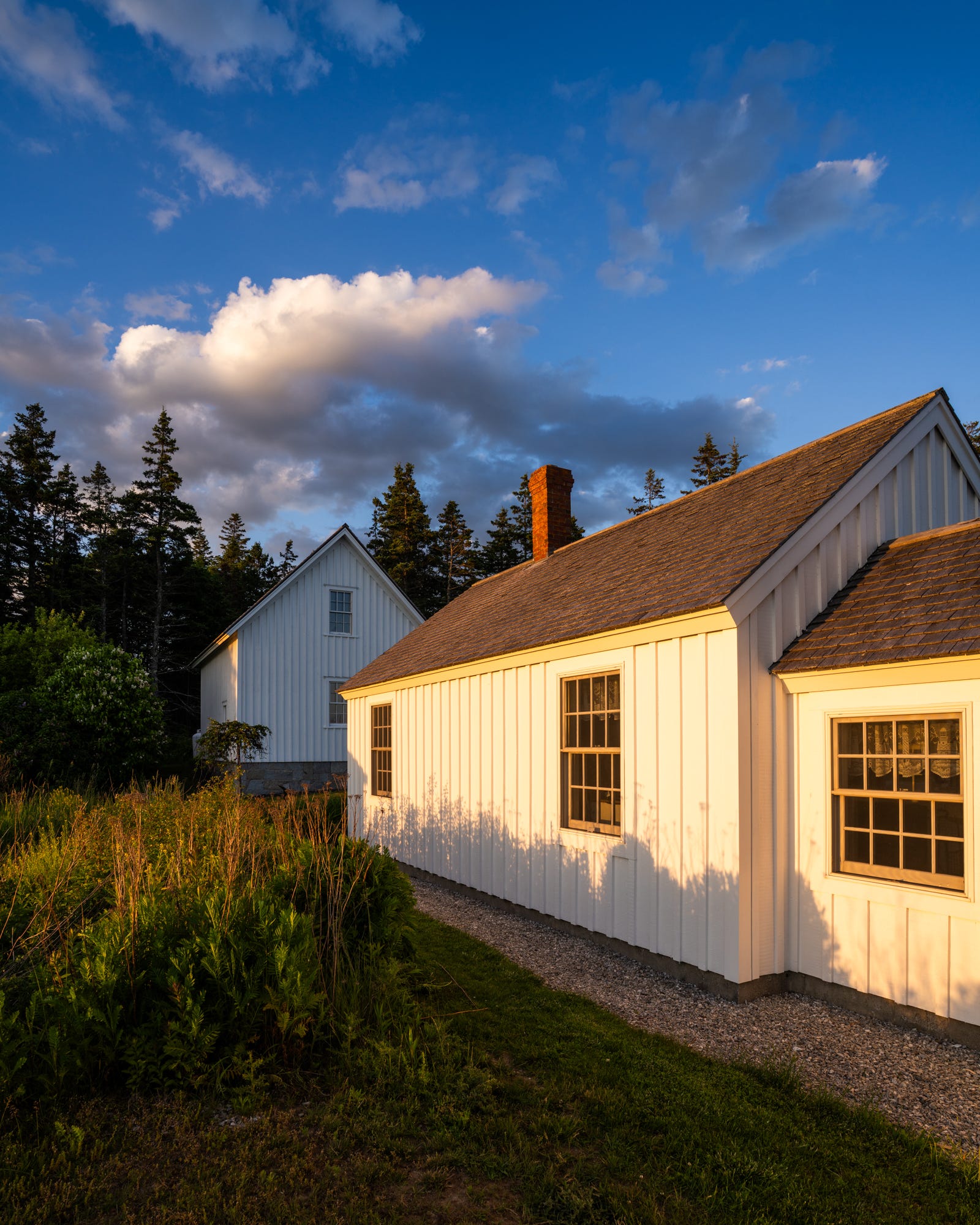
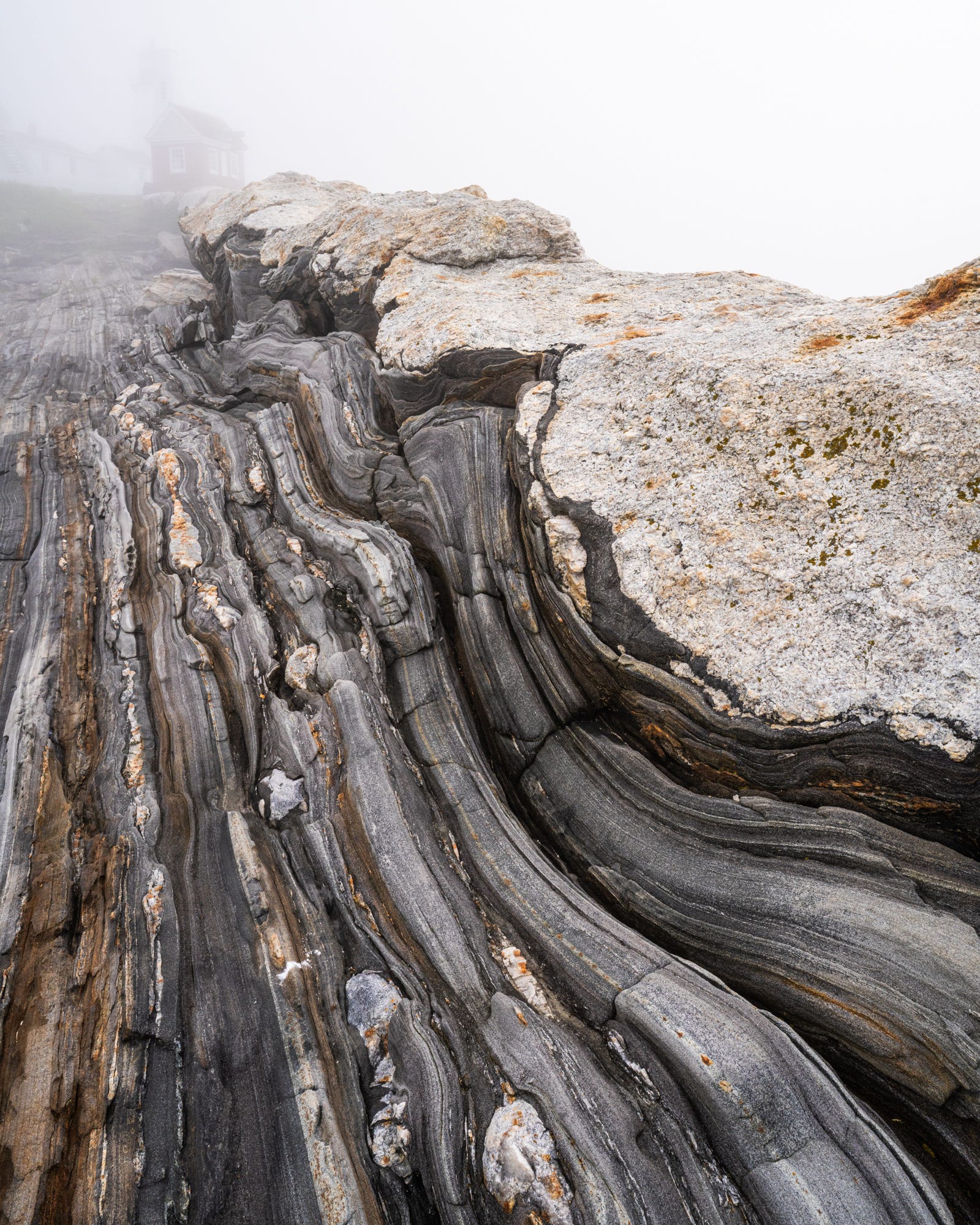
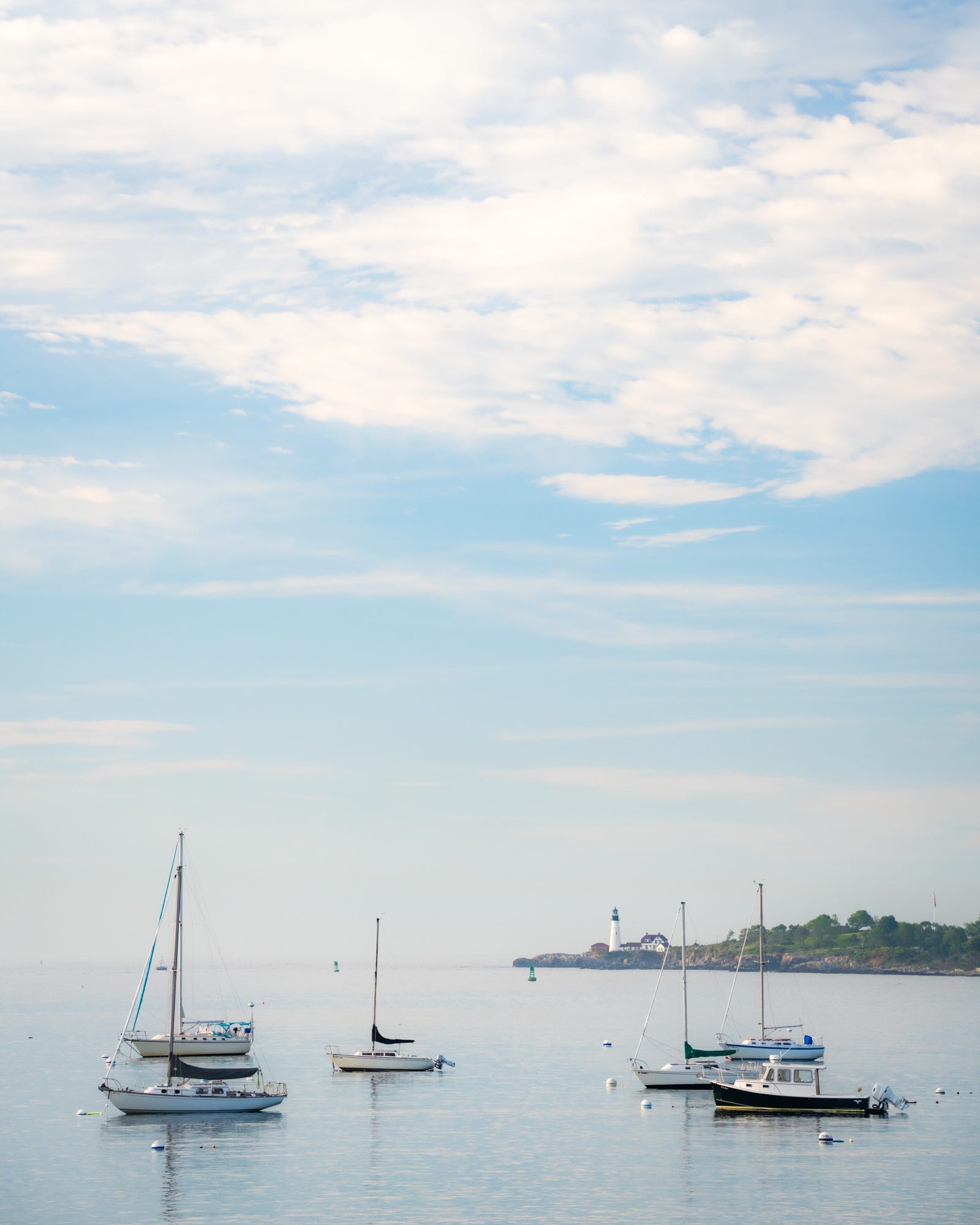
Are these groundbreaking works of art? Probably not. But I did enjoy making them, and it was fun to try and see familiar scenes from new angles, in new lights. As a creative exercise, I see the value. This makes me think that Jensen’s exercise, forcing myself to make 100 compositions, would in fact, be good for me. Just from time to time, that is. Hah!
I guess this is what it boils down to for me. I’m not huge on being clever, on being different. I’m huge on experiencing, on being in moments where I’m not thinking about myself. My best art, or at least what satisfies me the most, are the moments when I feel like there is no boundary between me and whatever is in front of me, when I’m most deeply enraptured, most deeply connected.
And in truth, Jensen would never try to argue with me, or you, saying his approach is better. It’s simply what works for him, just as my approach works for me. It’s what brings him satisfaction and leads him to make work that he considers engaging. I’m trying to do the same thing here, just share what works for me, and in the process hopefully not making you feel like he does me at times, like I’m not doing this whole art-making thing correctly. Hopefully I’m simply challenging you to look at your practice and work a little harder, to get out there and be engaged and connected, and maybe make stronger work as a result. We all have to find our own way of doing this.
Even if we have different tastes and approaches, I’m very grateful that he’s out there, sharing his thoughts, and I will continue listening to his wonderful podcast and arguing with him in my head over this practice that we both love so dearly. Hopefully you feel the same after reading this.
Thank you for reading this essay after a long hiatus. I’m in the middle of leading a bunch of workshops and am heading out here shortly for three days of backpacking the Pemi Wilderness in New Hampshire.
If you’d like to join me in MidCoast Maine for a one-day workshop this Saturday, you can sign up HERE. If that doesn’t work, check out my other workshop listings HERE.
I would say you are both right. Personally, my mantra is be "different," largely because I want to bring the unexpected into my work and when I don't, the work tends to be ordinary and gets lost among fine landscape photographers, yourself included, who get out regularly to inspiring panoramas. In many ways it is an ego thing, but being different does get attention, at least the ones that are done well.
The beautiful thing about immersing oneself in nature is that it can be very healing and particularly so when breathtaking opportunities come alive. For this , I love what you are doing.
My experience has been that I've been able to sell some work from natural landscapes, more work than I have from my efforts to be different. On the other hand most of my work that has been accepted in photography competitions is different in that it communicates the unexpected. I refer to it as surprises in the ordinary.
In the end, we're best when we follow our own leadings. To hell with other's opinions.
Judging from what I've observed on your (very delightful) Substack, I would say your photographic superpower is a willingness to get up waaaay earlier than I ever would.